Photos of Old Tractors: A Sustainable Farming Guide
The Fordson Major's Remarkable Revival: A Story of Restoration and Sustainability
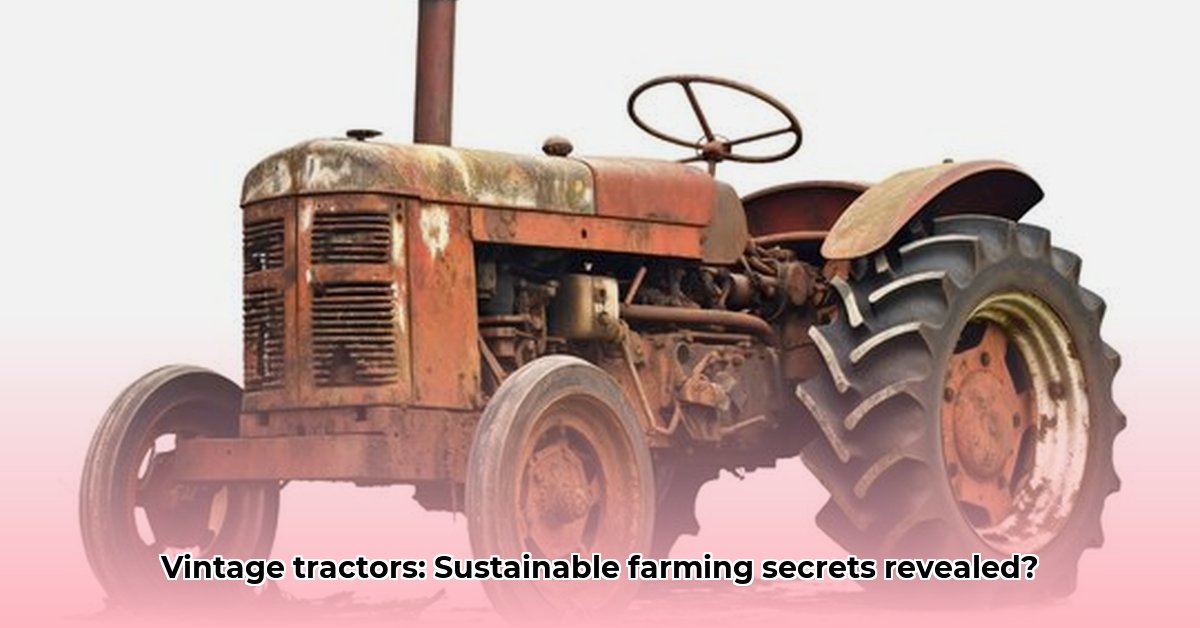
Imagine a 1946 Fordson Major tractor, a true workhorse of its era, abandoned and rusting in a field. Covered in dust and rust, it seemed destined for the scrap heap. Yet, this wasn't just a pile of old metal; it held the promise of a more sustainable and cost-effective approach to farming. This is the story of its resurrection—a journey of restoration that intertwines agricultural history with modern environmental responsibility. This isn't just about fixing a machine; it's about restoring a piece of history and embracing sustainable farming practices. For more information on insuring your restored tractor, check out this resource: vintage tractor insurance.
The restoration wasn't merely about replacing parts. It was about preserving skills, minimizing waste, and showcasing the economic benefits of extending the lifespan of farm equipment. This project offers a compelling argument against the continuous cycle of manufacture and discard that burdens our planet.
A Step-by-Step Guide to Restoring a Vintage Tractor
This wasn't a weekend project. Reviving this old tractor demanded patience, skill, and plenty of hard work. The process can be broken down into several key steps, illustrated by photographs documenting each stage of the restoration:
Step 1: Comprehensive Inspection: Begin with a thorough assessment of the tractor's condition, photographing every detail. Documenting the extent of damage (rust, missing parts, wear and tear) is crucial for planning the restoration.
Step 2: Disassembly: Carefully disassemble the tractor, meticulously photographing each step. Think of it as a complex puzzle; detailed documentation is vital for reassembly. This methodical process ensures nothing is lost or misplaced.
Step 3: Cleaning and Repair: Thoroughly clean each part. Assess the damage and determine whether parts can be repaired or require replacement. Focus on rebuilding worn components, aiming for authenticity wherever possible.
Step 4: Reassembly: With the detailed photographs as your guide, painstakingly reassemble the tractor. This is the most time-consuming yet rewarding stage, ensuring each part is correctly positioned, leading to a fully restored machine.
Step 5: Testing and Fine-Tuning: Once reassembled, carefully test and fine-tune the tractor to ensure optimal performance. This final step is crucial for verifying the restoration's success. The revived tractor, ready to serve once more, stands as a testament to perseverance and resourcefulness.
The Environmental and Economic Advantages of Restoring Old Tractors
Why undertake such an extensive project? Wouldn't a new tractor be simpler? While new equipment offers ease of use, restoration provides significant economic and environmental benefits:
Reduced Waste: Restoring an old tractor significantly reduces waste compared to manufacturing a new one; minimizing the environmental burden from production. This is a crucial step toward a greener farming future.
Cost Savings: The initial investment in restoration, though significant, will likely be considerably less than purchasing a new tractor. The long-term cost savings are substantial, resulting in significant economic advantages.
Resource Conservation: Manufacturing new equipment demands vast energy and raw material resources. Restoration conserves these precious resources, leading to a more sustainable use of materials.
Preserving Valuable Skills: Restoring old machinery helps preserve mechanical skills that are increasingly rare. These skills are fundamental to maintaining farming equipment and ensuring sustainable agricultural practices.
Restoring an old tractor is akin to restoring a classic car—it takes dedication, skill, and a deep appreciation for the craft. The payoff, however, is a machine that is both functional and environmentally responsible. Is it hard work? Absolutely. Worth it? Absolutely.
Overcoming Challenges: Sourcing Parts and Expertise
The restoration process presents challenges; finding parts for a 70-year-old tractor can be difficult, and skilled labor might be scarce. Here are some solutions and workarounds:
Parts Sourcing: Online forums, specialized parts suppliers, and even 3D printing can help overcome parts shortages. This innovative approach to problem-solving highlights the resourcefulness of the restoration process.
Skilled Labor: Seek experienced mechanics or engage in apprenticeships, and leverage online tutorials to build your skills. Community collaboration can often provide solutions.
The Call to Action: A Greener Future for Farming
Restoring vintage farm equipment isn't merely a hobby; it's a proactive step towards a more sustainable future. It's about embracing a circular economy, reducing our environmental footprint, and actively participating in a greener future. Let's join forces, share our stories and knowledge, and build a community focused on preserving valuable skills and maintaining sustainable farming practices. The future of sustainable agriculture depends on our collective efforts! Let's create a community focused on revitalizing traditional skills and practices.